How to Sit for Meditation: Complete Beginner's Guide to Perfect Posture
Learn the proper meditation sitting posture with step-by-step instructions. Discover 5 meditation positions, common mistakes to avoid, and tips for pain-free meditation sessions.
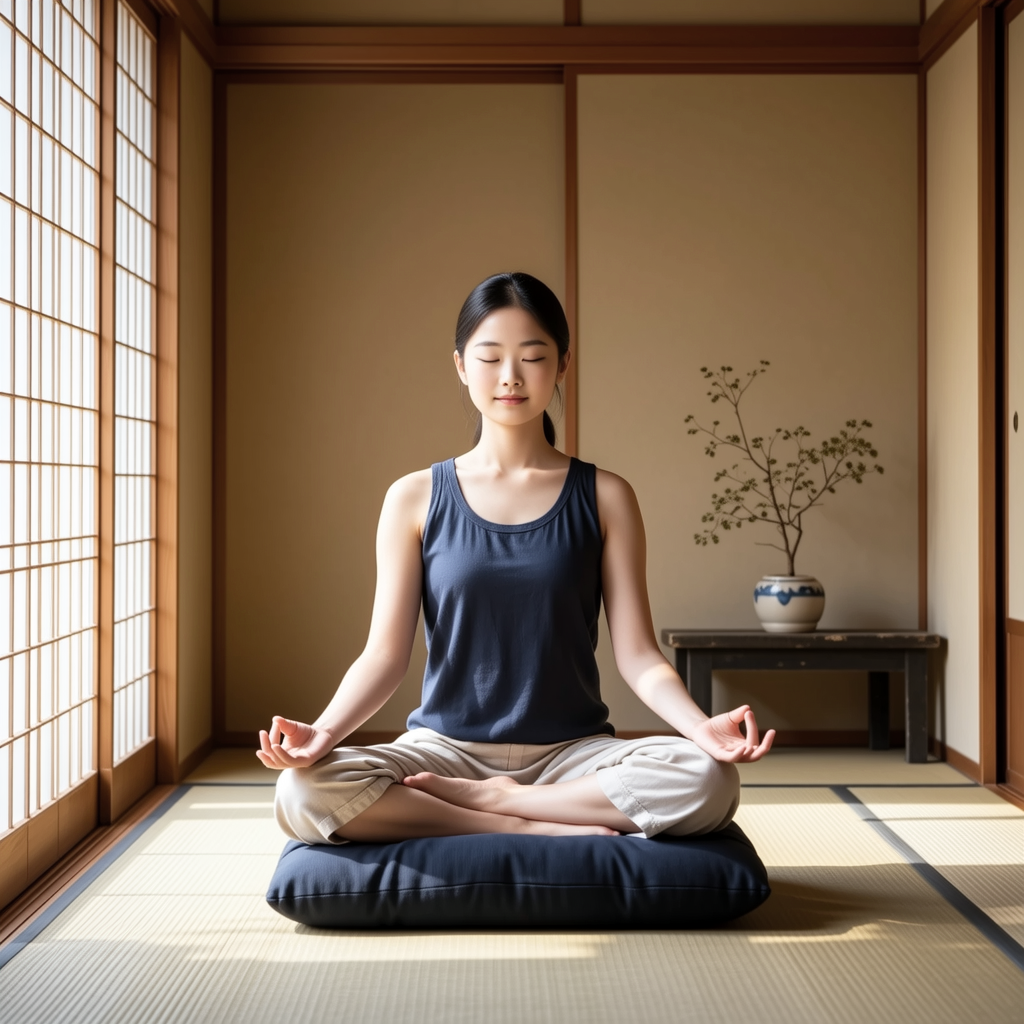
Quick Answer: The key to proper meditation posture is maintaining a straight but relaxed spine with your shoulders back and down, chin slightly tucked, and hands resting comfortably on your knees or thighs. Choose a position you can hold comfortably for 10-20 minutes without pain.
Why Proper Meditation Posture Matters
Before diving into specific positions, understand that how you sit during meditation directly impacts your practice quality. Proper posture isn't about being rigid—it's about creating optimal conditions for mindfulness and focus.
Benefits of Good Meditation Posture:
- ✅ Enhanced Focus: Reduces physical distractions
- ✅ Better Breathing: Opens airways for deeper breaths
- ✅ Reduced Pain: Prevents back, neck, and joint discomfort
- ✅ Longer Sessions: Enables sustainable meditation practice
- ✅ Alertness: Keeps you awake and engaged
The 5 Core Principles of Meditation Posture
Regardless of which position you choose, these fundamental principles apply to all meditation postures:
1. Spine Alignment
Your spine should be straight but not stiff. Think of it as a string pulling gently from the crown of your head upward. Maintain the natural S-curve of your spine—don't force it into an unnaturally straight line.
2. Shoulder Relaxation
Roll your shoulders back and down, away from your ears. They should be soft and relaxed, not hunched forward or pulled back forcefully.
3. Chin Position
Tuck your chin slightly inward to align your neck with your spine. This creates a gentle lengthening in the back of your neck.
4. Hand Placement
Rest your hands comfortably on your knees (palms up for openness) or thighs (palms down for grounding). Keep your arms relaxed with soft elbows.
5. Eye Position
Either close your eyes completely or keep them softly open with gaze directed 4-6 feet in front of you, slightly downward. Avoid staring or intense focus.
5 Best Meditation Positions for Beginners
Choose the position that works best for your body type, flexibility, and comfort level. Remember: comfort is more important than perfect form, especially when starting.
1. Chair Meditation (Best for Beginners)
Ideal for: People with limited flexibility, back problems, or those who prefer sitting on furniture
Step-by-Step Instructions:
- Choose a sturdy chair with a flat seat and straight back
- Sit forward on the chair edge (avoid leaning against the back)
- Place both feet flat on the floor, hip-width apart
- Align your knees at a 90-degree angle
- Follow the 5 core posture principles above
Pro Tips:
- • Use a small cushion behind your lower back if needed
- • Ensure your feet touch the floor (use a block if necessary)
- • Keep your hips slightly higher than your knees
2. Burmese Position (Cross-Legged)
Ideal for: Beginners who want to sit on the floor with basic flexibility
Step-by-Step Instructions:
- Sit on a meditation cushion or folded blanket
- Cross your legs in front of you (both ankles on the floor)
- Place one foot in front of the other, not underneath
- Let your knees rest on the floor (or on support cushions)
- Apply the 5 core posture principles
Pro Tips:
- • Use cushions under your knees if they don't reach the floor
- • Sit on the front edge of your cushion to tilt hips forward
- • Switch which foot is in front periodically
3. Seiza Position (Kneeling)
Ideal for: People who find cross-legged positions uncomfortable but want floor sitting
Step-by-Step Instructions:
- Kneel on the floor with a meditation bench or cushions
- If using a bench: straddle it with your legs underneath
- If using cushions: stack them between your calves and thighs
- Keep your ankles straight (not bent under)
- Maintain the 5 core posture principles
Pro Tips:
- • Use a meditation bench for best support
- • Place a thin blanket under your knees for cushioning
- • This position naturally aligns your spine well
4. Quarter Lotus (Modified Cross-Legged)
Ideal for: Those with moderate flexibility seeking a stable cross-legged position
Step-by-Step Instructions:
- Cross your legs as in the Burmese position
- Gently place one foot on the opposite calf (not thigh)
- Keep the other foot resting on the floor
- Use cushions to support your knees if needed
- Apply the 5 core posture principles
Pro Tips:
- • Don't force your foot into position if it causes pain
- • Start with just a few minutes and gradually increase
- • Switch which leg is on top in different sessions
5. Lying Down (Corpse Pose)
Ideal for: People with severe mobility issues, illness, or when too tired to sit
Step-by-Step Instructions:
- Lie flat on your back on yoga mat or carpet
- Extend your legs straight with feet hip-width apart
- Rest your arms alongside your body, palms facing up
- Keep your head aligned with your spine (no pillow)
- Focus on full-body relaxation while maintaining awareness
⚠️ Important Caveat:
Many people fall asleep in this position. Use it only when necessary or for specific relaxation practices rather than alert meditation.
Common Meditation Posture Problems & Solutions
Even with proper instructions, beginners often face these challenges. Here's how to address them:
Problem: Back Pain
Solutions:
- • Use a meditation cushion to elevate hips above knees
- • Sit against a wall for back support (temporarily)
- • Try chair meditation if floor sitting causes pain
- • Focus on natural spine curve, not forced straightness
- • Strengthen core muscles outside of meditation practice
Problem: Numb Legs or Feet
Solutions:
- • Use a higher cushion to reduce pressure on legs
- • Try the Seiza or chair position instead
- • Practice gentle leg stretches before meditation
- • Shift positions slightly during longer sessions
- • Ensure you're not cutting off circulation with tight clothing
Problem: Neck and Shoulder Tension
Solutions:
- • Do shoulder rolls before and during meditation
- • Check chin position—avoid jutting forward
- • Relax jaw and facial muscles
- • Imagine shoulders melting away from ears
- • Adjust chair height or cushion height
Problem: Falling Asleep
Solutions:
- • Keep eyes slightly open with downward gaze
- • Sit upright rather than lying down
- • Meditate when well-rested, not exhausted
- • Choose a slightly uncomfortable position initially
- • Practice during your natural alertness peaks
Problem: Restlessness and Fidgeting
Solutions:
- • Start with shorter sessions (5-10 minutes)
- • Acknowledge restlessness without judgment
- • Try walking meditation as an alternative
- • Ensure you're not physically uncomfortable
- • Focus on breath to anchor attention
Progressive Meditation Posture Training
Building good meditation posture is like any physical skill—it requires progressive training. Here's a 4-week program to develop comfortable, sustainable posture:
Week 1: Foundation Building
- Duration: 5-10 minutes daily
- Focus: Chair meditation only
- Goal: Master the 5 core principles in the easiest position
- Practice: Multiple short sessions throughout the day
Week 2: Position Exploration
- Duration: 10-15 minutes daily
- Focus: Try Burmese or Seiza position
- Goal: Find a comfortable floor position
- Practice: Alternate between chair and floor positions
Week 3: Duration Building
- Duration: 15-20 minutes daily
- Focus: Maintain your preferred position longer
- Goal: Build endurance for standard meditation sessions
- Practice: One longer session plus shorter maintenance sessions
Week 4: Position Consolidation
- Duration: 20+ minutes daily
- Focus: Refine your chosen position
- Goal: Develop sustainable long-term practice posture
- Practice: Regular sessions with minimal adjustments
Meditation Props and Equipment
While not essential, certain props can significantly improve your meditation comfort and posture quality:
Essential Props
- Meditation Cushion (Zafu): Elevates hips for better spinal alignment
- Meditation Bench: Excellent for Seiza position
- Yoga Mat: Provides comfortable surface for floor sitting
- Blankets: Support knees and provide warmth
- Timer: Avoid checking time during practice
Optional Enhancements
- Meditation Stool: Alternative to bench for Seiza
- Backjack Chair: Folding chair with back support
- Eye Pillow: For lying down meditation
- Essential Oils: Lavender for relaxation
- Guided Meditation Apps: Audio instruction support
How to Check Your Posture During Meditation
Use these quick self-checks during your practice to ensure proper alignment:
Quick Posture Check (30 seconds)
- 1. Are my shoulders relaxed and away from ears?
- 2. Is my spine straight but not stiff?
- 3. Is my chin slightly tucked?
- 4. Are my hands resting comfortably?
- 5. Am I breathing from my diaphragm?
Body Scan Check (2 minutes)
Slowly scan your body from toes to head, releasing tension in each area:
- • Toes and feet: relaxed and flat
- • Legs: comfortable position, not strained
- • Hips: elevated slightly above knees
- • Spine: natural curve, upright
- • Shoulders: down and relaxed
- • Neck and head: aligned, chin tucked
- • Face: soft, jaw unclenched
Special Considerations
Different body types and conditions may require posture modifications:
For Back Problems
- • Start with chair meditation against a wall
- • Use lumbar support cushions
- • Avoid forward-bending positions
- • Consider lying down with knees bent
- • Consult healthcare provider for chronic issues
For Knee Problems
- • Choose chair or bench meditation
- • Avoid deep cross-legged positions
- • Use plenty of cushion support
- • Keep knees bent at comfortable angles
- • Try standing meditation as alternative
For Pregnancy
- • Use chair meditation for stability
- • Avoid lying on your back after first trimester
- • Use extra cushions for support
- • Left side-lying position may be better
- • Focus on breathing and relaxation
For Seniors
- • Chair meditation is often most comfortable
- • Use armrests for support if needed
- • Focus on comfort over traditional positions
- • Shorter, more frequent sessions may work better
- • Consider guided meditation for support
Putting It All Together: Your First Perfect Posture Session
Follow this step-by-step routine for your first meditation session with proper posture:
10-Minute Posture Setup Routine
Preparation (2 minutes)
Gather your props, choose your position, and set up your space. Dim lights and minimize distractions.
Position Finding (3 minutes)
Get into your chosen position and make adjustments using the 5 core principles. Don't rush this step.
Body Scan (2 minutes)
Scan your body from toes to head, releasing tension in each area. Make final posture adjustments.
Meditation (3 minutes)
Begin your actual meditation practice, focusing on breath while maintaining awareness of posture.
Frequently Asked Questions
Q: How long should I try to maintain one meditation position?
A: Start with 5-10 minute sessions and gradually increase. The goal is comfort and stability, not endurance. If you're in pain after 5 minutes, your position needs adjustment.
Q: Is it okay to switch positions during meditation?
A: Absolutely! Mindfully adjusting your position is better than enduring pain. Make slow, conscious movements and return to meditation when comfortable.
Q: Do I need to sit in lotus position for "real" meditation?
A: No! The lotus position is just one of many options. The best position is one that's comfortable, stable, and sustainable for your body type.
Q: Should my spine be perfectly straight like a board?
A: No, your spine should maintain its natural S-curve. Think "straight but relaxed" rather than rigid. Imagine a string gently pulling your crown upward.
Q: What if I can't sit on the floor at all?
A: Chair meditation is equally valid and effective. Many experienced meditators prefer chairs. The position matters less than the practice itself.
Key Takeaways
- ✨ Comfort over form: Choose a position you can maintain without pain
- ✨ 5 core principles: Apply these regardless of position choice
- ✨ Progressive training: Build endurance gradually over weeks
- ✨ Props help: Use cushions and supports for better alignment
- ✨ Listen to your body: Adjust or change positions as needed
- ✨ Consistency matters: Regular practice in any position beats perfect practice
Ready to start your meditation journey with proper posture?
Remember: The perfect meditation posture is the one that allows you to forget your body and focus on your mind.
About the Author: This guide was created by the RuJing meditation team, combining insights from meditation teachers, physical therapists, and mindfulness researchers. Our approach focuses on accessible, sustainable meditation practices for modern practitioners.